
Do We Really Understand the History of the Automobile? What Is Car Culture Then? 🚗💡

Original by Honda Magazine | Japanese Car Enthusiast Magazine
Published: 2025-02-16 11:58:41
🌟 Hello, my friend...
Welcome to a hidden gem—OLD FISHER DISCOUNT, your one-stop online shop with 9,999+ unique finds waiting for you. 🎉
🛒 Explore a World of Discoveries
Dive into our collection and uncover special treasures that will delight and inspire.
🔗 Start Your Journey Here: www.fisherdiscount.com
Come and see why we’re more than just a shop; we’re a place of endless possibilities! ✨
In the automotive world, opinions about "car culture" are all over the place. 🤔 Car dealers tell you it doesn’t matter as long as you know BBA (Benz, BMW, Audi). Racing enthusiasts insist that car culture is all about motorsport. Modders? They’ll say car culture is about stanced cars and aggressive wheel fitment. In the end, car culture becomes a catch-all concept with no clear definition. Even worse, many lament that China lacks car culture because we started car privatization late and focused too much on price comparison instead of real value.
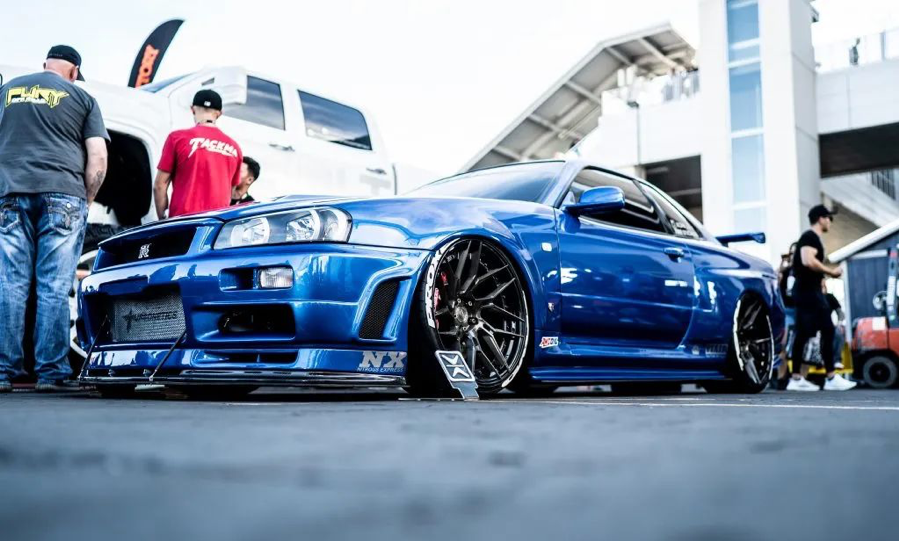
📸 Low Ride Height ≠ Car Culture
- Some think lowering the suspension makes it "stylish," but what’s the real purpose of low ride height?
- Many blindly follow trends, not realizing they are copying Show Cars built for exhibitions, not for real-world driving.

China's automotive history is relatively short. 🚗 Privatization began in the mid-80s, blossomed in the late 90s, and boomed in the early 2000s. However, the industry faced challenges due to economic transformation and financial crises. While car sales surpassed the U.S., becoming the world’s largest market, what about quality? It remains dominated by small engine vehicles. Even electric vehicles (still in early technological development) are being sold as "game-changers."
What Is Car Culture, Really?
Car culture isn’t a vague idea. It’s the summary of how we treat cars—rooted in history, values, user experiences, and subcultures like modification and racing. 🏎️ It's an ecosystem maintained by car brands, suppliers, aftermarket companies, and enthusiasts. Understanding car culture means seeing beyond marketing hype, recognizing true value, and having a healthy appreciation for automotive history.
📸 Example: The Real Story Behind the Beetle 🪲
Many praise the Volkswagen Beetle as a symbol of German engineering, but did you know it originated from Czechoslovakia’s Tatra T77? Ferdinand Porsche took its design under Hitler’s orders after invading the Sudetenland. Post-WWII, the Beetle became a tool for West Germany’s war reparations.
Or consider Porsche’s 911. Fans often claim Peugeot unjustly blocked the "901" model name, but historical facts tell a different story. During WWII, Ferdinand Porsche was assigned by Hitler to manage Peugeot’s factories in occupied France. After the war, Peugeot refused to let Porsche use their registered "101–909" series for its new car. Justified, right?
Why Does This History Matter?
Without understanding these historical nuances, car culture can’t develop rationally. Myths become "truths," and uninformed brand worship distorts value perception. Certain brands exploit these biases for higher profit margins, with consumers paying the price. 🚨
At Honda Magazine, we’ve written extensively about automotive history. 📚 Even if some posts have modest reach, we persist. Why? Because a correct car culture requires a foundation in history, just like a skyscraper needs a solid base.
💡 Fun Fact: Did you know electric cars have been around for over 100 years? Calling them "new energy vehicles" is inaccurate. If they’re "new," then steam cars from 1769 and gasoline engines from the 1880s must also be "new," right? 😅
Leave a comment